Winter Wellness – Part 2
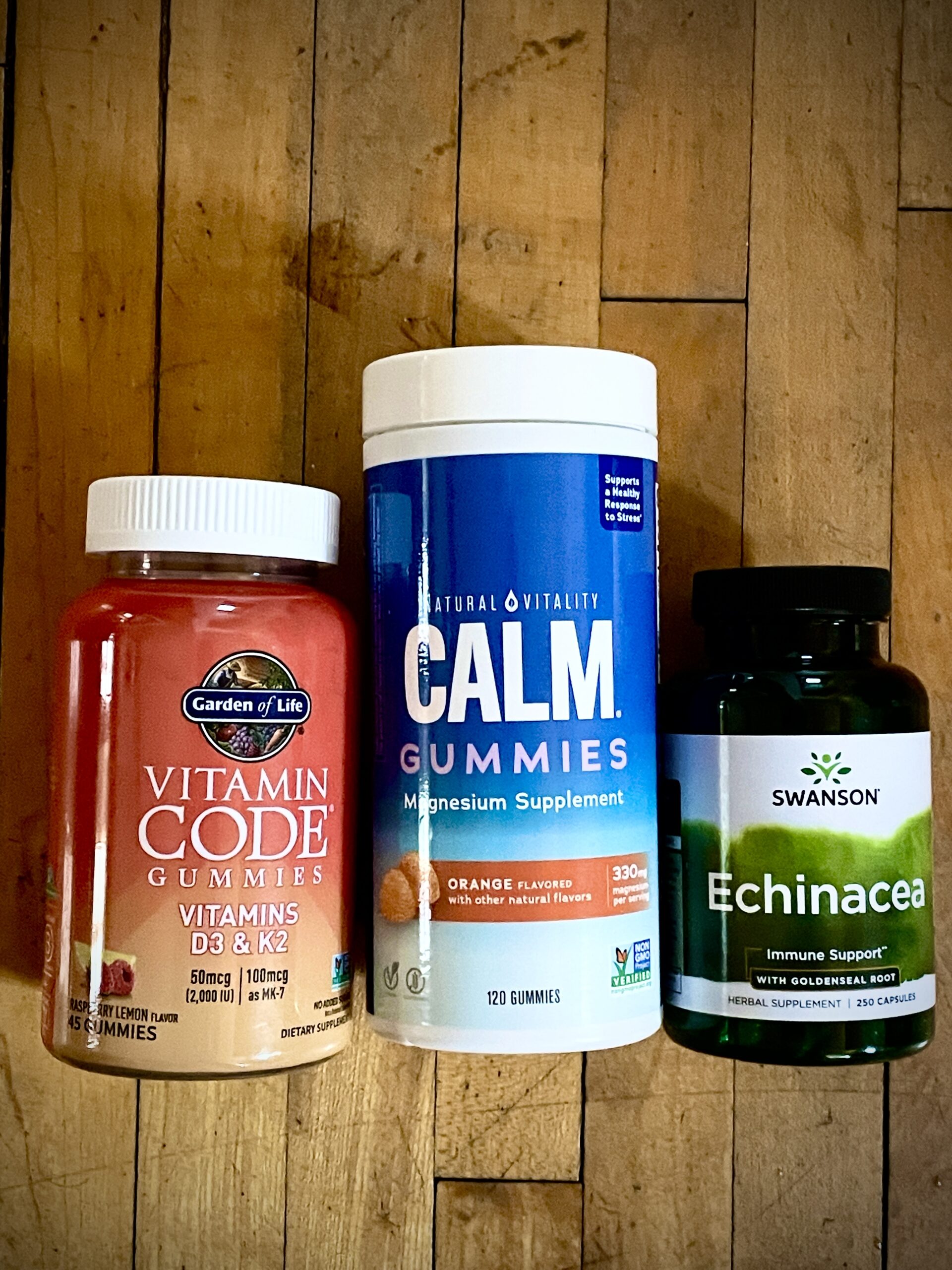
Thank you for continuing this three-part Wisdom Wednesday journey with me. Each week, we’ve been exploring gentle, supportive ways to move through the winter season with more balance and awareness. This week, I’d like to begin by sharing a few supplements that have supported me through many winters and helped me feel more resilient during the colder months.
Growing up, I was diagnosed with a learning disability, and my mom chose not to place me on medication. As a result, I’ve been fortunate to explore alternative and holistic approaches to supporting my body and mind over the years. Because I don’t take other medications, I’ve had the space to safely learn what works for me; though everyone’s body and situation is different.
Whether or not avoiding medication is the right choice, truly depends on who you ask. I always encourage consulting with your healthcare provider before adding any supplements to your routine, which I will continue stating frequently because I don’t want to be liable for anyone’s health issues. With that shared, let’s gently dive in.
Vitamin D3 – The sunshine supplement
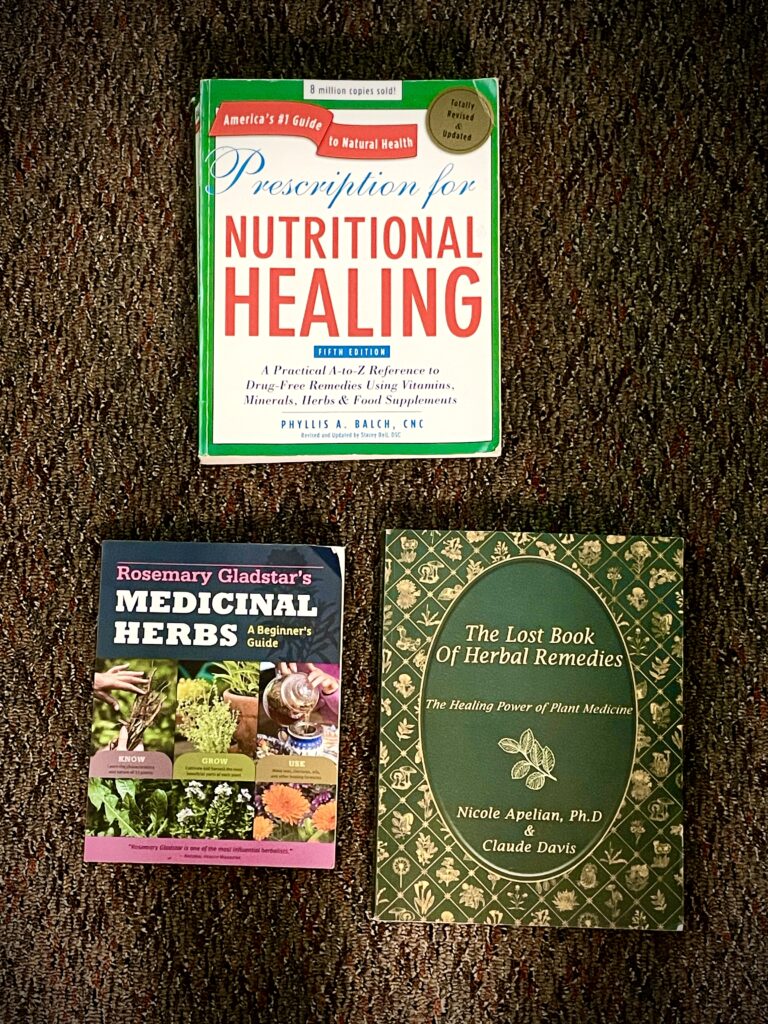
The benefits of D3 include bone health by helping the body absorb calcium, helps improve muscle strength and function, reduces inflammatory responses in the body, and boosts mood and mental health. It is mostly absorbed by the body through the skin being exposed to sunlight, which is why in the winter months it is helpful to supplement with D3. I read a couple of different reference books and articles that people living north of the 37th parallel experience more deficiencies with this supplement.
D3 deficiency can show up as brittle bones and muscle weakness. D3 helps calcium and phosphorus absorb into the body that we get from our diet. Calcium is needed for bones, muscle contraction, and your nervous system. Phosphorus is also good for the bones, muscles, and nerve functions, but also is needed for our cells, DNA/RNA, and energy production. So when our body’s aren’t getting enough sunlight, so many things get effected which could cause our immune systems to work harder.
Over the last few years I have been intentionally supplementing with D3 with K2 for various reasons, one from being told by a naturopathic doctor that tested my D3 levels and the results came back as being way below average. My body also doesn’t process calcium properly because my calcium levels were excessively high in my blood. The K2 helps the calcium absorb into the bones, and less into the arteries. Since supplementing with these two vitamins, I have noticed a difference in my mood when I don’t take it. I feel more sad, have less energy, and unmotivated to do anything. Since taking D3 it has also caused me to reflect on my childhood a little more as well.
Growing up I felt like I lacked energy or motivation, which in turn caused me to have focusing and learning problems in school. I was diagnosed with a learning disability in second grade, but my mom chose not to put me on medication for it. I learned different tricks and tools to help me get through school, however I often wondered if I would have been on medication if it would have benefited me or not. Recently I’ve been reading different books and articles on learning disabilities, ADHD, and autism – what I found was that studies done where people with these disabilities have low levels of D3.
If you’re not sure if you need extra D3 within your body, I’d suggest talking to your doctor or healthcare provider to get tested. In the meantime you could take up to 1000 IUs during the winter months. I wouldn’t take any more than that because it is possible to get a toxicity from too much D3, which again it’s recommended to talk to your health care provider. Other supplements to take with D3 to help with absorption include Vitamin C, magnesium, and zinc. All of these are beneficial to immune health as well.
I could go on with all of the vitamins and minerals that go with D3, but let’s just chat about one other one – Magnesium.
Magnesium
Most people know magnesium for muscle health, but it has so many other benefits and different forms that help with different things in the body. Magnesium also can help with preventing depression, dizziness, muscle weakness/twitching, and PMS. It can aid in maintaining the body’s proper pH balance and normal body temperature.
Magnesium is necessary to help prevent calcification of soft tissues like muscles. Basically it blocks calcium from absorbing and crystalizing into the muscle tissues which causes them to harden. So supplementing with magnesium is helpful for someone like me who’s body absorbs too much calcium. When D3 is taken in high amounts due to low levels in the body, it also decreases magnesium absorption. Another reason why I’ve been taking it, is to help me relax and sleep. I do know it’s not just helping me relax to sleep but it also helps my muscles relax, and when my muscles are sore I don’t sleep very well.
Taking all of this information into consideration about magnesium, it only makes sense as to why it might be necessary to take for boosting mood and immune health during the winter months. Again, it’s best to talk to your doctor about supplementing with magnesium and get your vitamin/mineral levels tested.
Now let’s transition and talk about a couple herbs I love to take during the winter months – Echinacea and St. John’s Wort.
Echinacea: with Goldenseal
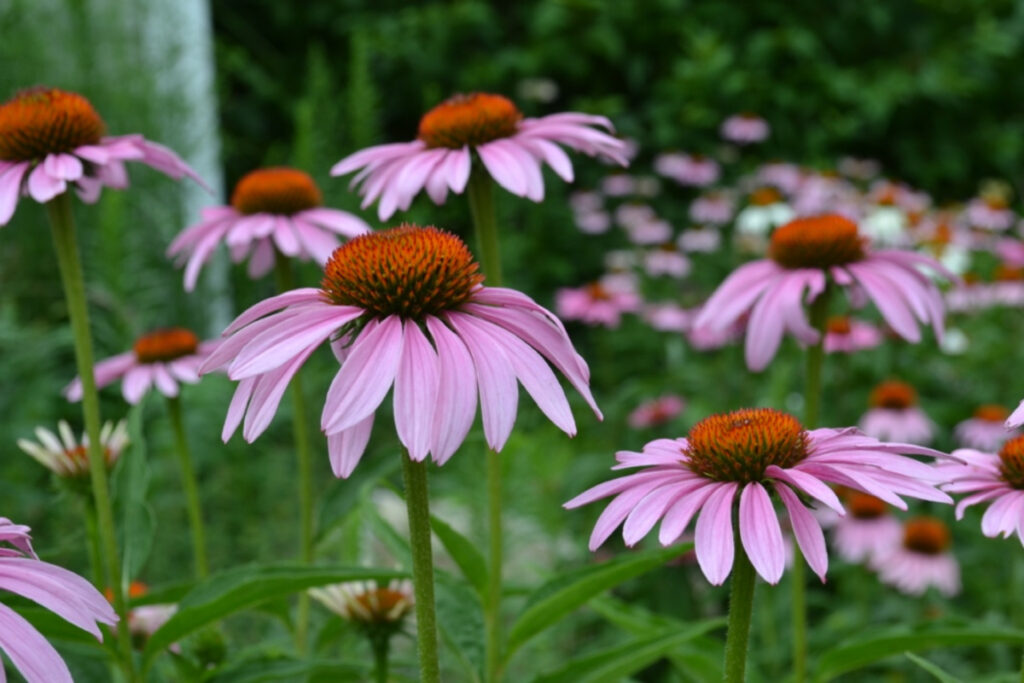
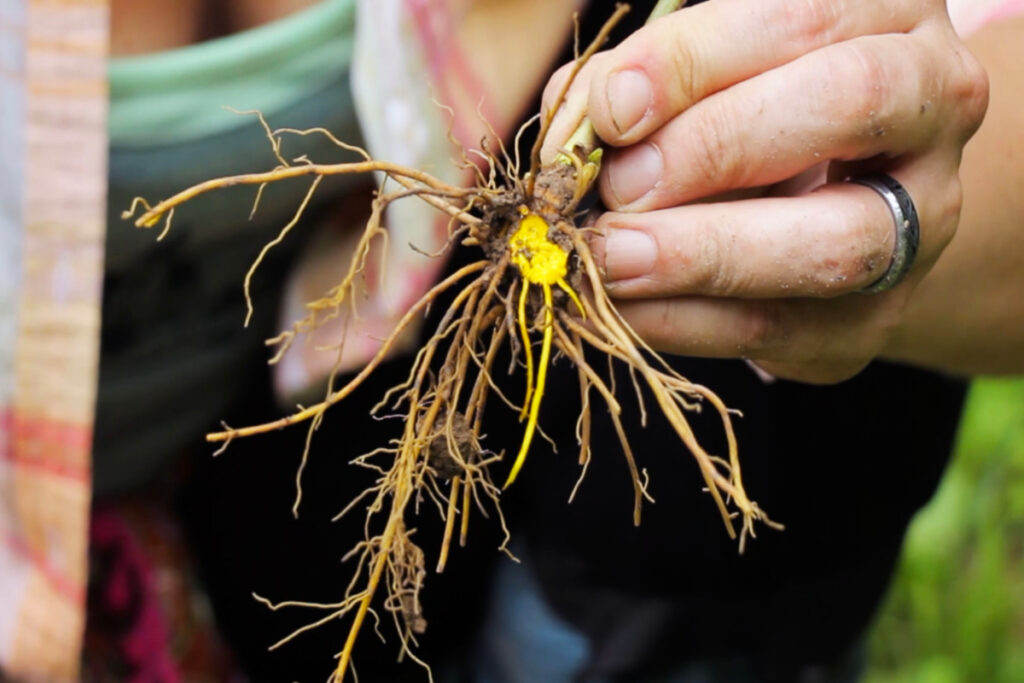
Now I have tried many different herbal supplements that are good for the immune system. Working at a supplement store for 11 years now, I have tried pretty much everything. Haha. The supplements I’ve taken range from elderberry, honey, apple cider vinegar, and so much more. However nothing works better for me than echinacea and goldenseal, and I keep going back to it. I take it as soon as I start to feel more exhausted or tired, and a scratchy feeling in my throat. Immediately it seems to make me feel better.
Echinacea is said to be one of the top immune enhancing herb and many herbalists say it’s the most important one. It’s also know to have few if any side effects or residual buildup in the body, however if you have a ragweed allergy I’d suggest finding another immune boosting supplement, as echinacea is related to the daisy and ragweed family. It’s native to North America and grows wild in open rocky prairies or plains, so you can find it here in the Midwest.
Some benefits of echinacea in addition to immune boosting but not limited to include:
- Raising the body’s resistance to bacterial or viral infections for stimulating the immune system.
- Has anti-inflammatory responses.
- Reduces the impact of the common cold and flu.
- It can reduce the severity of an asthma attack from it’s anti-inflammatory response.
- Has antibiotic, antifungal, and antiviral properties which is good for infections, burns, and wounds.
- Can neutralize poison when getting bit by a snake, insect, spider, or stung.
Goldenseal is very similar to echinacea as far as benefits go, that’s why they pair so well together! However it targets more of the mucus membranes found in respiratory, digestive, skin, and reproductive systems.
As echinacea has many benefits, it can have some side effects such as digestive upset if used long-term, if you have a ragweed allergy it may cause a flare up more than being helpful, and if you have an autoimmune condition it can also lead to a flare-up. As with anything, it is best to do research before trying something and make sure it’s the best supplement for you.
St. Johns Wort
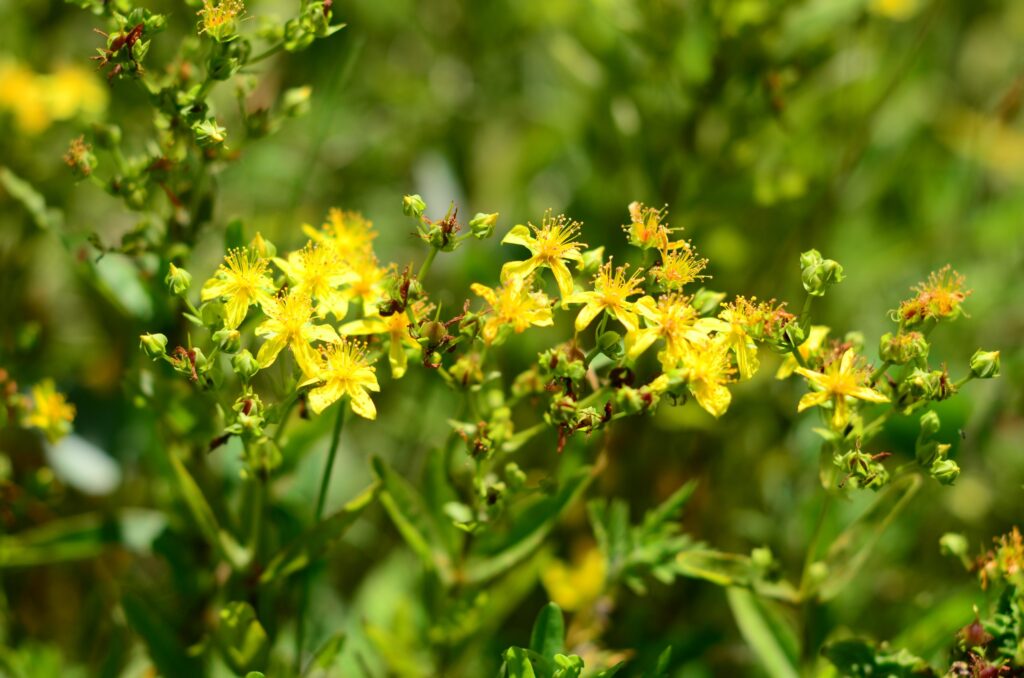
I started using St. Johns Wort when I went to see a naturopathic doctor a few years ago. I was struggling with dealing with stress and certain emotions, so they suggested I start taking it. I noticed it helped me sustain and get me in a better mood, almost to the point where I felt like I could handle life somewhat again. I have stopped taking it recently just to see if I still need it, but I am considering taking it again.
This herb has been around for centuries, used by the ancient Greeks through the middle ages, and they claimed back then that this herb had magical powers used to ward off evil and protect against illness. Dioscorides, a famous Greek herbalist, mentions the use of St. Johns wort for sciatica and other nerve problems. Thiophrastus also recomened it for external wounds and cuts.
Seeing as this herb has been well liked over the centuries, let’s look at the many different benefits and why it helps with winter blues.
- It’s most commonly used for treating depression, restlessness, anxiety, and insomnia without adverse side effects. Often times paired with lemon balm which also helps with anxiety and depression.
- Helps reduce symptoms of hormonal imbalances with menopause as well as PMS, including depression and fatigue. Stimulates the uterus by increasing it’s tone. Also relieves cramping and bloating that come along with the mensural cycle.
- It calms the nervous system and can alleviate symptoms of withdrawal associated with quitting smoking.
- Hypericin which is found in the petals and stems of the plant, has antiviral, antiseptic properties to help with cuts, burns, sunburns, injuries, wounds, and infections.
- Aids in gut health issues such as ulcers by attacking bacteria and viruses causing infection problems.
- Aids in healing chest colds, congestion, and other respiratory diseases due to it’s anti-inflammatory benefits.
It’s not recommended to take St. Johns Wort if someone has bipolar disorder because it seems to increase the risk of mania. Also don’t take it if you are on an anti-depressant medication such as Zoloft, Prozac, and Laprexo. It may cause more harm or other problems that may not be helpful. As I keep stating, it’s best to ask your health care provider what is best for you to take.
I could go on and on about the many supplements and herbs that support winter wellness, but sometimes too much information at once can feel overwhelming; and that doesn’t always help us truly absorb what’s being shared. With that in mind, I’ll pause the supplement discussion here, allowing space for integration and reflection.
Next week, I’ll be shifting the conversation toward creativity and exploring different creative tools that can help ease the winter blues and bring a sense of lightness and expression into the season.
Leave a Reply